
Roofing across Greater Victoria's South Island municipalities
Greater Victoria is not one roofing climate. Gonzales Hill averages about 675 mm of precipitation a year; a station in the Highlands above Langford averaged about 1,160 mm. House age splits just as sharply: most of Oak Bay was built before 1961, most of Langford after 2000. Here is how those differences show up on a roof.
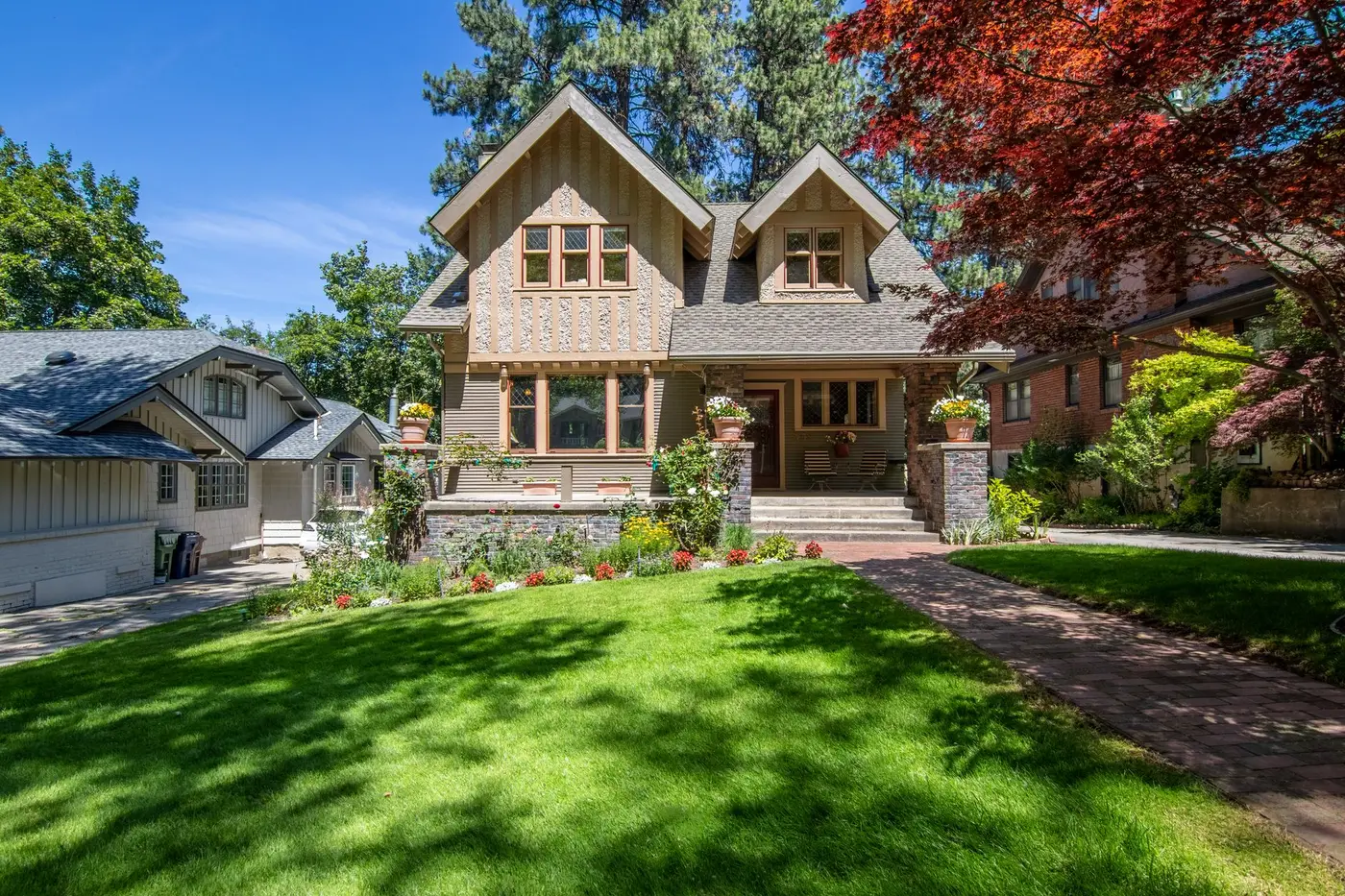
priced line by line
Municipality guides
Roofing in Saanich
The biggest stock of detached houses on this site, 43 percent tree canopy, and rainfall that swings from about 660 mm near UVic to over 1,000 mm in the western hills.
Saanich guideRoofing in Langford
Nearly two thirds of homes built since 2001, so many original roofs are reaching their first replacement. The nearest long-record station, in the Highlands, gets about 1.3 times the airport's precipitation.
Langford guideRoofing in Oak Bay
The oldest housing on this site, the windiest long-record weather station in the core on Gonzales Hill, and heritage and design rules in the Prospect and the Uplands that can limit roofing materials.
Oak Bay guideRoofing in Esquimalt
Seven in ten homes built before 1981 on a peninsula ringed by two harbours and the Strait of Juan de Fuca, where salt air and wind off the water shape the roof.
Esquimalt guideRoofing in Colwood
A mix of 1960s to 1990s houses and new Royal Bay streets, with wetter weather than the core and a city snow load map that sets Triangle Mountain at more than double the waterfront.
Colwood guideRoofing in Sidney
Mostly 1960s to 1990s homes beside the airport weather station, where the strongest winter gusts come from the south and southeast, plus a town bylaw that names reroofing as permit-free work.
Sidney guideHow much do rain and wind change across Greater Victoria?
Enough to change what a roof needs. Environment and Climate Change Canada's long-term averages put the southern core at roughly 660 to 675 mm of precipitation a year. The Saanich Peninsula stations sit around 900 mm, and the West Shore stations at Metchosin and the Highlands run past 1,000 mm. More water through a valley (the channel where two roof slopes meet) and around flashing (the metal that seals joints at chimneys, walls and edges) means small details fail sooner.
Wind runs the opposite way. Gonzales Hill, on the exposed southern shore, logs a mean wind speed of 14.3 km/h and about 3.8 days a year with gusts of 90 km/h or more. The UVic station, about 5 km north, averages 6.1 km/h and recorded none in its 1991 to 2020 normals. Shoreline roofs lose shingles to uplift and take rain sideways under their edges; sheltered inland roofs stay damp under trees and grow moss.
Where is the housing older, and why does that matter for a roof?
Age decides what is under the shingles. In the 2021 census, 59 percent of Oak Bay's homes dated from 1960 or earlier, while 65 percent of Langford's were built from 2001 on. Older houses tend to carry several reroofs, tired chimney flashing and, where cedar was the original roof, spaced boards that need a solid plywood deck before asphalt goes on. Newer subdivisions are mostly on their first roof, and the questions there are ventilation and how the original details were flashed.
Which municipalities have their own page?
Six, each with its own mix of weather, house age and permit rules: Saanich, Langford, Oak Bay, Esquimalt, Colwood and Sidney. Victoria proper is covered on our home page. View Royal, Sooke, Central Saanich, North Saanich and Metchosin do not have pages of their own yet.
Permit rules differ too. Langford's and Sidney's building bylaws exempt reroofing in plain words; the bylaws in Saanich, Esquimalt and Oak Bay do not name it, and Colwood asks owners to check first. Each area page links the municipal building page. When you are ready, the quote form covers roof replacement, roof repair and metal roofing, and the cost guide explains what drives the price. We reply within one business day.
Service area questions
Does it really rain more in Langford than in Oak Bay?
On the long-term records, yes. The Gonzales Hill station at Oak Bay's western edge averaged 675 mm a year for 1991 to 2020. The Highland station just north of Langford averaged 1,164 mm for 1981 to 2010, and the West Shore has no published newer normals. The periods differ, but the gap is too large to be an artifact. More rain means valleys, flashing and shaded slopes deserve extra attention.
Do I need a permit to replace my roof in Greater Victoria?
It depends on the municipality. Langford's bylaw says no permit is needed to replace roofing materials, and Sidney's lists re-roofing among work that needs no permit. Saanich, Esquimalt and Oak Bay do not name reroofing, and Colwood asks owners to check with its building department first. Structural work, such as new rafters or a changed roof shape, needs a permit everywhere. Each area page links the right office.
Do you work in Victoria and in places without an area page?
Victoria proper is covered on our home page. View Royal, Sooke, Central Saanich, North Saanich and Metchosin do not have pages yet, so this site makes no claims about them. The quote form asks for your municipality, and our reply, within one business day, will tell you plainly whether your roof is a job we can take.
Sources
Figures are dated ranges from these sources, not quotes. Checked November 2026.
- Environment and Climate Change Canada: Canadian Climate Normals 1991 to 2020, Victoria University CS
- Environment and Climate Change Canada: Canadian Climate Normals 1991 to 2020, Victoria Gonzales
- Environment and Climate Change Canada: Canadian Climate Normals 1991 to 2020, Victoria Int'l A
- Environment and Climate Change Canada: Canadian Climate Normals 1981 to 2010, Saanichton CDA
- Environment and Climate Change Canada: Canadian Climate Normals 1981 to 2010, Victoria Francis Park
- Environment and Climate Change Canada: Canadian Climate Normals 1981 to 2010, Metchosin
- Environment and Climate Change Canada: Canadian Climate Normals 1981 to 2010, Victoria Highland
- Statistics Canada: Census Profile 2021, period of construction and dwelling type for seven Greater Victoria municipalities (census subdivision API)
- City of Langford: Building Bylaw No. 1160, 2008 (consolidated to June 1, 2026)
- Town of Sidney: Building Regulations Bylaw No. 2016 (consolidated)
- District of Saanich: Building Bylaw, 2019, No. 9529 (consolidated)
- Township of Esquimalt: Building Regulation Bylaw, 2017, No. 2899 (consolidated Nov 6, 2023)
- District of Oak Bay: Bylaw No. 4247, building and plumbing (consolidated to May 27, 2024)
- City of Colwood: Building Permits
Want a written quote for your roof?
Tell us about the roof and where the house is. We reply within one business day, and nothing is booked until you say so.